Sump Pump Failure Cleanup in Greeley, CO
When a sump pump quits in irrigation season or a summer storm, groundwater fills the basement fast. The extraction crew pumps it out and the drying team dries what it soaked.
(888) 532-8620Sump quit? Speak with Greeley dispatch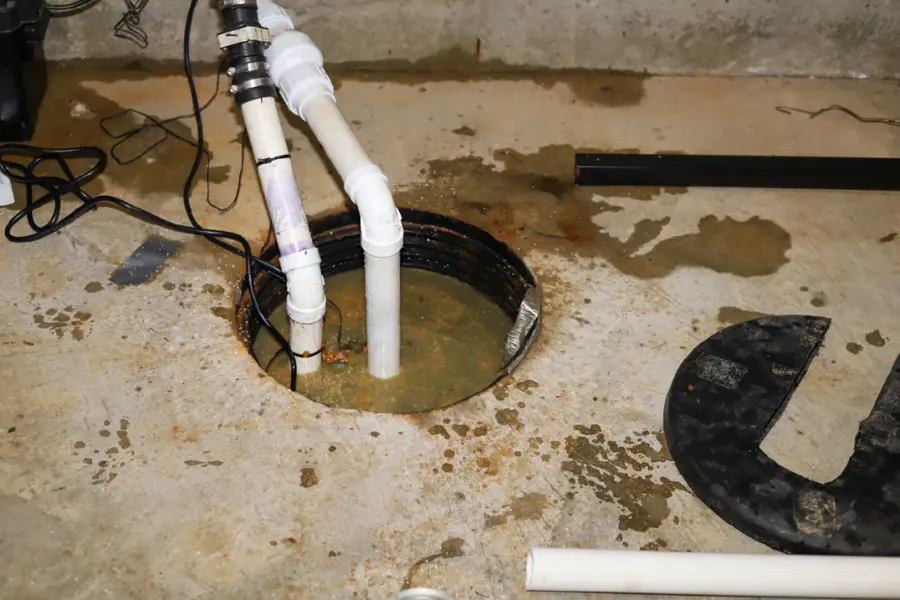
First steps for sump pump failure cleanup in Greeley
- 1
Stay out of the water
Do not touch a pump or cord standing in water.
- 2
Check the breaker
A tripped circuit is a common cause; reset only from dry footing.
- 3
Lift what you can
Move boxes and furniture off the basement floor.
- 4
Call for a pump-out
Groundwater keeps coming until the pit is pumped down.
How sump pump failure cleanup is handled in Greeley
Rapid local response
The response team rolls day or night across Greeley and Weld County, because a basement keeps soaking up water until extraction starts.
IICRC S500 drying standard
The drying team dries the structure, not just the surface, and pulls the equipment only when the readings say dry.
Claim-ready documentation
The tech who does the walkthrough maps the moisture, photographs the loss before demolition and logs daily readings for the adjuster.
Weld County water experts
Subzero cold snaps, hail season, window wells, swamp coolers and river flooding: local water damage experts know how water moves in a Greeley home.
What does sump pump failure cleanup cost in Greeley, CO?
In Greeley, CO, sump pump failure cleanup typically runs $1,800 to $9,000, depending on how high the water rose, how much of the basement is finished and how long it sat before extraction.
| Scope of the loss | Typical range | What drives it |
|---|---|---|
| Unfinished basement | $1,800 to $3,000 | Pump-out, cleaning, antimicrobial, drying |
| Finished basement, caught early | $3,000 to $6,000 | Pad removal, flood cuts, cavity drying |
| Finished basement, sat for days | $6,000 to $9,000+ | More removal, longer drying, Category 3 handling |
For a closer planning figure, run the water damage cost calculator. The final scope is set on site, after the moisture map.
The sump pump failure cleanup process, step by step
- 1
Map the moisture
The tech who does the walkthrough finds the source, then maps moisture with thermal imaging and pinless meters before any equipment goes down.
- 2
Extract
The extraction crew pulls standing water with truck-mounted extraction, so the water leaves the building instead of spreading.
- 3
Set the drying plan
Air movers go in at each room's evaporation load, with LGR dehumidifiers, or desiccants for Class 4 materials, pulling the moisture back out.
- 4
Verify dry
Most crews log readings daily and pull equipment once wet materials sit within 2 to 4 points of a dry reference material.
Many newer Greeley homes, especially in west Greeley and the subdivisions along the US 34 corridor, were built with sump pits because the water table rises during the growing season. Irrigation ditches and watered fields around town push groundwater up in summer, and the sump pump runs far more in July than in January. When it stops, the pit overflows onto the basement floor.
Why sump pumps fail here
- Worn switches and floats after seasons of constant cycling
- Power outages during summer thunderstorms, exactly when water rises
- Pumps too small for the inflow during a wet spring
- Frozen or blocked discharge lines in winter
- Check valves that fail and let water flow back into the pit
Sump water is groundwater that has passed through soil, so it is usually treated as Category 2, gray water. It carries silt and bacteria from the ground, which changes what can be saved.
Water rising around the sump pit? Unplug nothing that is standing in water, and call for a pump-out.
Call (888) 532-8620, sump pump helpHow the cleanup works
The extraction crew gets water out with portable pumps and truck-mounted extraction, and a temporary pump can keep the pit down until a plumber replaces the failed unit. Then the mitigation team works the finished spaces.
- Carpet pad soaked by gray water is usually removed
- Drywall is cut above the wet line where readings demand it
- Surfaces are cleaned and treated with an EPA-registered antimicrobial
- Air movers and LGR dehumidifiers run until the drying goal is met
Why speed matters with gray water
Category 2 water left standing for a couple of days can degrade toward Category 3. Fast extraction keeps more of the basement dryable instead of removable.
Preventing the next failure
A battery backup pump, a high-water alarm and a yearly test before irrigation season go a long way. The basement water risk check weighs sump backup against other Greeley risks, and Colorado State University Extension publishes homeowner material on groundwater and drainage. For storm power outages, Ready.gov power outage tips help plan ahead. When water comes through a window instead, see window well flooding.
Sump Pump Failure Cleanup across Greeley and Weld County
Coverage for sump pump failure cleanup runs across every Greeley ZIP and the towns around it.
Local water damage experts cover all of Greeley, from the Poudre on the north side to the South Platte and Evans on the south, with rapid local response around the clock.
Coverage takes in Greeley, Evans, Garden City, Windsor, Eaton, Kersey, LaSalle, Johnstown, Milliken and Severance, plus ZIP codes 80631, 80634 and 80639.
See every neighborhood and ZIP coveredSump Pump Failure Cleanup questions, answered
Why does a sump pump run so much in summer in Greeley?
Irrigation of lawns, fields and ditches around town raises the water table during the growing season, so more groundwater reaches the pit in summer than in winter.
Is sump pump water clean?
No. Groundwater passes through soil and is usually treated as Category 2, gray water, so soaked carpet pad and some porous materials are removed rather than dried.
Can the restoration team replace the pump?
Pump replacement is plumbing work. The restoration team can set a temporary pump to keep water down, extract and dry the basement, and a plumber installs the new pump.
Is sump pump failure covered by insurance?
Many policies cover it only with a water backup or sump overflow endorsement. Coverage depends on your policy, so it is worth checking with your own insurer.
How can a sump failure be prevented?
Test the pump each spring, add a battery backup and a high-water alarm, keep the discharge line clear and pointed away from the foundation, and replace an aging pump before it quits.
How long does the basement take to dry?
Usually three to five days for a contained loss once extraction is done. Concrete and block walls can hold moisture longer.
Sump Pump Failure Cleanup in Greeley? Get the drying started today.
Standing water keeps wicking into drywall, trim and subfloor for as long as it sits. The Greeley restoration crew extracts, dries to the IICRC S500 standard and documents the loss.